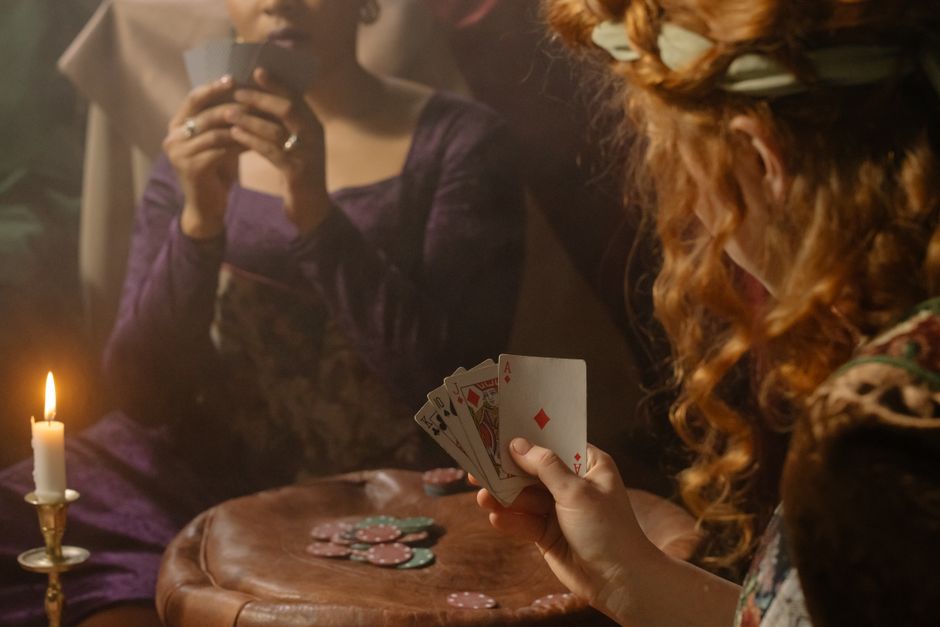
You've seen the flashy ads. The impossible odds. The bonus promises that sound too good to be true. And maybe you've wondered: is there any real skill in iGaming, or is it all just luck? After a decade of grinding micro-stakes poker, testing slot volatility, and watching sharp bettors work, I can tell you this: the difference between a frustrated player and a calculated one comes down to understanding the mechanics behind the curtain. Let's pull it back.
The iGaming Landscape: More Than Just Spin and Pray
iGaming covers a massive spectrum — online casinos, sports betting, poker rooms, and even e-sports wagering. But the core divide is simple: games of pure chance versus games of skill. Slots, roulette, and baccarat lean heavily on randomness. Poker, blackjack, and sports betting reward pattern recognition, psychology, and bankroll discipline.
Here's a concrete example: In Texas Hold'em, a professional player might win 55% of sessions over a year, not 90%. That edge seems tiny, but over 10,000 hands, it compounds. Meanwhile, a slot player hitting a 96% RTP (return to player) machine will lose 4% of every dollar wagered long-term — guaranteed. The math doesn't care about your feelings.
That's not to say slots are pointless. They're entertainment products engineered for thrill. But if you treat them like an investment, you're bringing a knife to a gunfight. Know which game you're playing.
Slots: Understanding Volatility and RTP (Without the Jargon)
Most players glance at the RTP percentage and call it a day. That's a mistake. Two slots with 96% RTP can behave completely differently. The key is volatility.
- Low volatility: Frequent small wins, rare big payouts. Think 5–10x your bet, often. Good for grinding bonuses.
- Medium volatility: Balanced. A mix of small and moderate wins, occasional 50x–200x hits.
- High volatility: Long dry spells, then massive payouts (1,000x–50,000x). Heart-stopping, bankroll-killing if you're underfunded.
Want a real-world tip? If you're playing a high-volatility slot like Book of Dead (RTP 94.25% in most versions), you need at least 200–300 spins' worth of bankroll to survive the variance. Otherwise, you'll bust before the bonus round ever triggers. Conversely, low-volatility games like Starburst (RTP 96.1%) won't make you rich, but they'll keep you in the game.
Another dirty secret: RTP is calculated over millions of spins. In a single session, you might hit 300% RTP or 20%. The machine doesn't owe you anything because the math says 96%. Forget "due for a win" — that's gambler's fallacy dressed up as intuition.
Poker: Where the Real Edge Lives
If you want to apply skill in iGaming, poker is your arena. But it's not about bluffing every hand or chasing draws. It's about decision quality over volume.
Consider this: A solid preflop strategy in No-Limit Hold'em involves playing only 20–25% of starting hands from early position. That means folding A-10 offsuit when you're under the gun. Most amateurs can't do it. They see an ace and think "premium." That leak alone costs them 5–10 big blinds per 100 hands. A detailed guide is available at Rikvip.
Then there's position. Acting last gives you information. On the button, you can profitably play 40% of hands. From the small blind, maybe 15%. Same cards, different value based on where you sit. That's not luck — that's geometry.
And bankroll management? The golden rule: never buy into a cash game for more than 5% of your dedicated poker bankroll. For tournaments, 2% max. Break that rule and one bad beat wipes you out. The pros don't talk about the hands they won; they talk about the ones they folded.
Sports Betting: Line Shopping and the 2% Difference
Many iGaming fans drift into sports betting thinking they know football. Knowing the game and beating the spread are unrelated skills. The edge comes from line shopping — comparing odds across multiple bookmakers.
Example: You want to bet on the Chiefs -3.5. Book A offers -110. Book B offers -105. That 5-cent difference seems trivial, but over 500 bets, it's the difference between a 52% win rate breaking even or turning a 3% profit. Sharp bettors have accounts at 5+ books and never take the first number they see.
Also, forget parlay lotteries. A 4-team parlay at 10-to-1 odds? The true odds are closer to 15-to-1. The house edge on parlays can exceed 20%. Stick to straight bets or small teasers if you must. And track every wager — a simple spreadsheet will show you which sports and bet types are actually profitable for you. Most people are shocked to learn their "gut feel" loses money on NBA totals but wins on underdog moneylines.
Bonuses and Promotions: Read the Fine Print or Don't Bother
Welcome bonuses look generous until you hit the wagering requirements. A 100% match up to $500 with 40x rollover means you must bet $20,000 before withdrawing a dime. And slots often contribute 100% toward that rollover, while table games contribute 10% or nothing.
- Check the game weighting — if you love blackjack, a slots-only bonus is useless.
- Look for max bet rules during wagering. Exceed $5 per spin and you void the bonus.
- Calculate the expected value. A $100 bonus with 40x rollover on a 96% RTP slot has an EV of roughly -$60. That's not a gift; it's a discounted lottery ticket.
Cashback and reload bonuses are often better — lower rollover, fewer restrictions. But only take a bonus if you'd play that game anyway. Otherwise, you're just grinding for the casino's benefit.
The Bottom Line: Play with Your Eyes Open
iGaming isn't evil, and it isn't a magic money machine. It's a product. Slots are entertainment with a built-in house edge. Poker is a skill game where you compete against other players, not the house. Sports betting is an information market where line value beats hot takes. Bonuses are marketing, not charity.
If you want to last, set a budget you can lose without flinching. Track your results. Choose games where your decisions matter — or accept that slots are a paid thrill ride. The players who enjoy iGaming most are the ones who stop chasing losses, stop believing in "due" wins, and start treating every bet as a calculated expense. That's not pessimistic. That's freedom.