You have painted the walls, hung the shade and rearranged the furniture twice. The room still feels slightly wrong. Not too dark, not too bright, just off. More often than not, the culprit is colour temperature: the most overlooked number on a bulb box, and the one that decides whether a room feels like a Sunday morning or a dental surgery.
Kelvin, without the physics lesson
Colour temperature is measured in kelvin (K), and it describes the colour of the light rather than how much of it you get. An 800-lumen bulb at 2700K and an 800-lumen bulb at 6000K are equally bright. They simply look nothing like each other. Low numbers sit in the amber-to-cream range; high numbers drift towards blue.
Brightness is a separate figure altogether: lumens. Wattage tells you how much power a bulb draws, which matters less now that LEDs do the same job for a fraction of it. When you are standing in an aisle trying to choose, treat the kelvin number as the mood dial and the lumen number as the volume. Get those two right and most rooms fall into place on their own.
The three colour temperatures you will actually find
British retailers tend to stock three bands, though the names on the packaging are not always consistent. If in doubt, ignore the words and read the number.
- Warm white (2700K–3000K) — the glow of an old incandescent bulb. Cosy, forgiving and flattering on skin, wood and painted walls. The sensible default for living rooms, bedrooms and anywhere you sit still for more than ten minutes.
- Cool white (4000K) — crisp, neutral, with a faint edge of blue. Genuinely useful in kitchens, bathrooms, utility rooms and studies, where you want to see clearly rather than unwind. In a living room it tends to feel clinical.
- Daylight (5000K–6500K) — close to the light on a bright overcast afternoon. Excellent for detailed work: sewing, model-making, a garage bench, shaving or applying makeup at a mirror. Used as general household lighting, it usually reads as cold and unwelcoming.
Room by room: what to use where
Living rooms and snugs
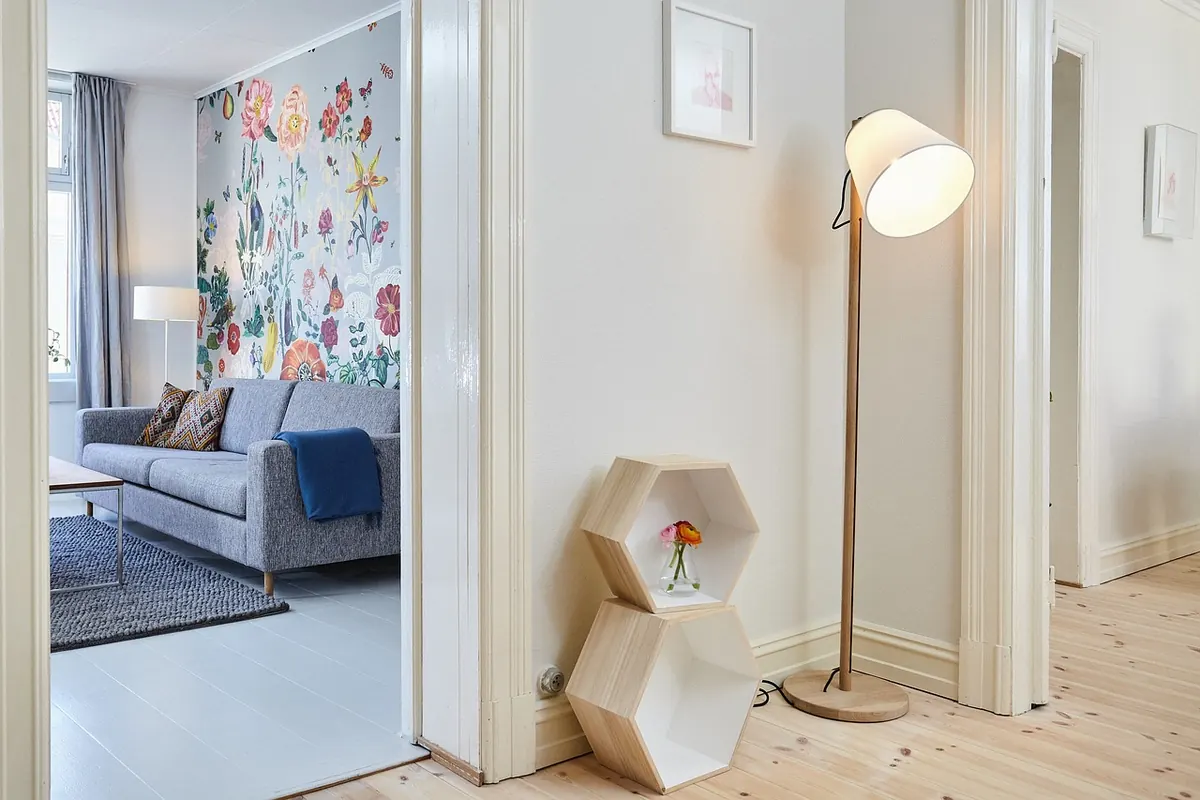
Warm white at 2700K, without much debate. Layer it too: a ceiling fitting plus a floor lamp and a table lamp gives you a room that can be bright for board games and low for a film. If your walls are grey, blue or a cool green, warm light softens them; cool white will make them look grimmer than the tester pot suggested.
Bedrooms
Warm white again, and preferably light that never hits you straight in the eye. A single cool white ceiling light is a reliable way to feel wide awake at half eleven at night. Use a dimmer, or lean on bedside lamps, and keep the brightest light in the room away from the bed itself.
Kitchens and utility rooms
This is the one place where two temperatures can earn their keep. Run 3000K ambient lighting across the ceiling so the room still feels like a home, then add 4000K strip lighting under the wall cabinets to light the worktop properly. Do not put 4000K downlights directly over the dining table unless you want dinner to feel like a staff canteen.
Bathrooms
Somewhere between 3000K and 4000K works well. Cooler light shows skin tone more honestly at the mirror, while warmer light is more flattering — pick according to what you actually do in front of it. Bathroom fittings have specific ingress protection requirements depending on how close they sit to the bath or shower, so if you are changing anything beyond the bulb, use a qualified electrician.
Hallways and stairs
2700K to 3000K, and brighter than you think you need. Hallways are usually windowless and full of dark corners, so a little generosity with lumens pays off. Check that the whole flight of stairs matches, too. One cold white bulb at the top will glare at you every night until you deal with it.
Home office or study
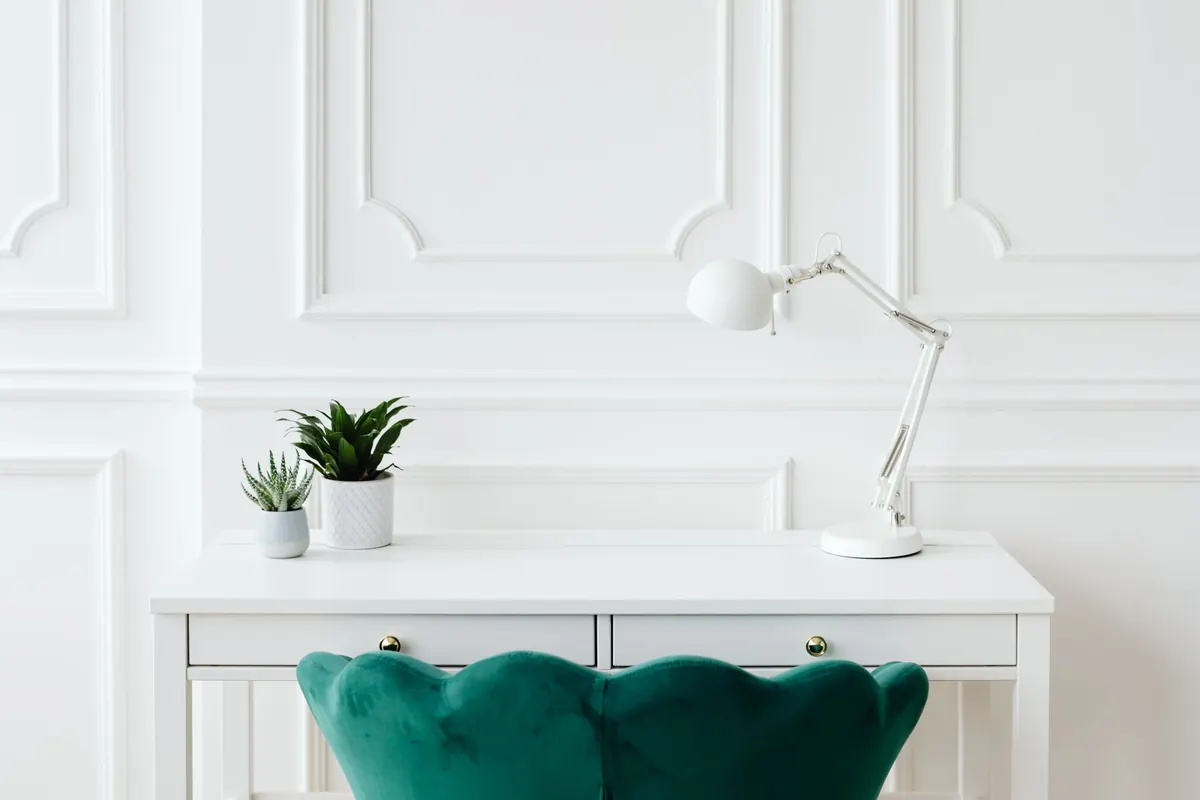
4000K during the working day keeps you alert without the blue cast of daylight bulbs. If you often work after dark, switch to a warm desk lamp in the evening and let the ceiling light stay off. Your eyes will notice the difference more than you expect.
Keeping open-plan spaces consistent
Kitchen-diners and knocked-through living spaces are where mismatched lighting shows up worst, because you can see every fitting at once. The trick is to think in layers rather than rooms.
- Pick one base temperature — usually 2700K or 3000K — and use it for everything visible from the sofa. Ambient light should be uniform across the whole floor.
- Treat other temperatures as task lighting. A 4000K strip over a worktop reads as intentional; a random 4000K ceiling bulb in the corner reads as a mistake.
- Match brands and batches where you can. Two bulbs both marked 2700K from different manufacturers can look noticeably different side by side.
- Check dimming behaviour. Some dimmable LEDs shift warmer as they dim and some do not. If a pair behaves differently, you will see it every evening.
- Look at the room after dark. Mismatches are invisible in daylight and obvious at nine o'clock at night, which is when you actually use the lighting.
Before you buy: a five-minute checklist
- Write the kelvin figure down for each room before you shop, so you are not guessing from words like "soft" and "natural".
- Note the cap type — bayonet, screw or GU10 — and whether the fitting is dimmable. A dimmable bulb in a non-dimmable circuit can flicker.
- Check the colour rendering index if the room matters for colour: fabrics, food, artwork or makeup. Higher is better, and worth a small premium.
- Buy one spare from the same batch. Bulbs get discontinued, and a lone replacement two years later rarely matches.
- Think about the shade. Dense or dark shades swallow light and can tint it, so a warm bulb behind smoked glass may look warmer still.
Living with your choice
Start with one bulb. Buy a single lamp in the temperature you are considering, fit it in the room you are unsure about, and live with it for an evening before committing to the whole ceiling. This costs very little and prevents the most common mistake in home lighting: buying six of something and realising on the first night that the room feels wrong.
Then build in layers — ambient light for the room, task light for what you are doing, and a warm accent lamp for the hours when you want to slow down. Rooms that feel effortless almost always have three light sources rather than one, and a consistent kelvin figure tying them together.
If you regularly get headaches or eye strain while reading or working at home, it is worth speaking to an optician rather than simply buying brighter bulbs. Light can improve a room enormously, but it is not a substitute for professional advice about your eyes.
Photo: StockSnap / Pixabay